


Achieve the absolute pinnacle of high-fidelity performance with our premium selection of Pre & Power Amplifiers. By isolating low-voltage source signal management from high-current loudspeaker delivery, these ultra-performance separates eliminate internal crosstalk to deliver breathtaking dynamics, total sonic transparency, and uncompromising control over your soundstage.
Popular Pre & Power Amplifiers


WHY TO SHOP WITH US
at Peter Tyson
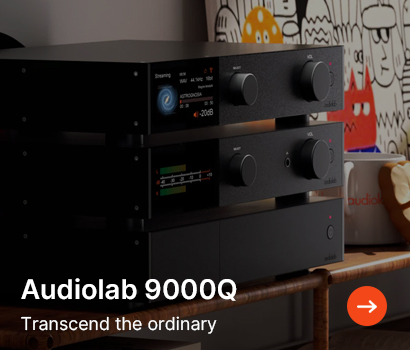
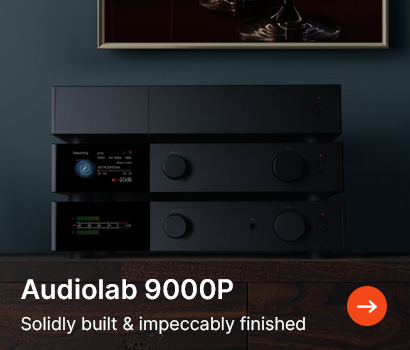
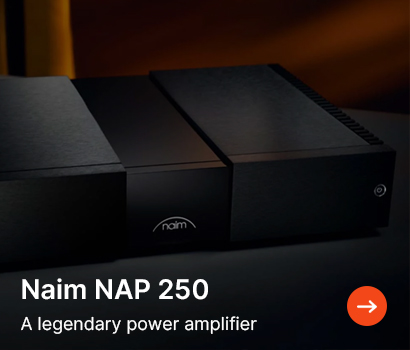
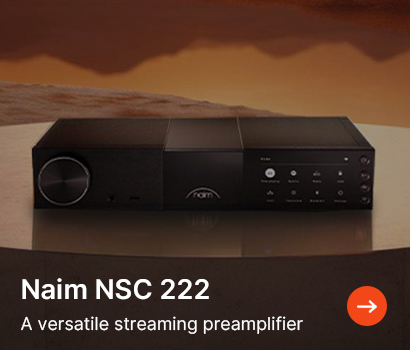
Pre & Power Amplifiers
The Structural Supremacy of Amplification Separates
While single-box integrated systems offer practical convenience, splitting your audio path into a dedicated preamplifier and a separate power amplifier represents the ultimate configuration for pure musical realism. A standalone preamplifier acts as the quiet control centre, carefully sorting source inputs and managing attenuation away from massive magnetic fields. Meanwhile, a dedicated power block focuses its large transformer exclusively on generating current muscle. This physical isolation prevents noise contamination, yielding a remarkably black background noise floor.
Navigating the Split-System Architecture
- Line-Level Preamplifiers: Precision-engineered hubs built solely to govern input routing, balance adjustments, and low-distortion signal volume control.
- Stereo Power Amplifiers: High-current, dual-channel engines optimised to intercept processed signals and drive passive loudspeaker cones with immense electronic grip.
- Monoblock Power Amplifiers: Independent single-channel power foundations that assign a dedicated chassis and power supply to each loudspeaker for perfect channel separation.
Technical Milestones for System Integration
- Gain and Sensitivity Matching: Ensure the output voltage parameters of your chosen preamplifier align cleanly with the input sensitivity thresholds of your power block to prevent premature signal clipping.
- Output Stage Circuit Classes: Compare traditional Class A designs, celebrated for liquid mid-range texturing, against high-current Class AB blocks or lightning-fast Class D multi-channel topologies.
- Symmetrical Balanced Routing: Utilise fully balanced XLR circuit paths between your separates to phase-cancel environmental radio-frequency hum over long cable runs.
- Specialised Sub-Circuits: Select components according to your source ecosystem, prioritising fully discrete moving magnet or moving coil phono stages, internal high-res DAC modules, or valve buffer designs.