


The amplifier is the heart of any Hi-Fi system, driving your speakers and shaping the sound of everything you listen to. Browse our amplifier range, from straightforward integrated amplifiers to streaming models with built-in network and wireless connectivity. Covering every power output and connection type you might need.
Popular Amplifiers


DISCOVER AMPLIFIERS
Featured Highlights
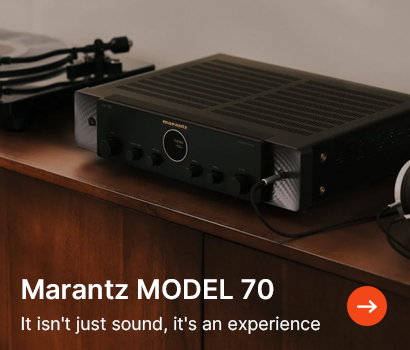
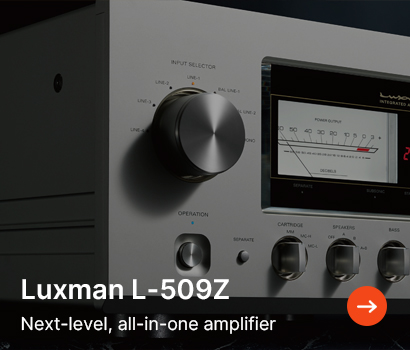
Why the Amplifier Matters
An amplifier is the engine room of a Hi-Fi system, taking the signal from your turntable, CD player or streaming source and boosting it enough to drive a pair of speakers with genuine power and control. The quality of your amplifier has a direct impact on the character of your entire system - affecting everything from bass control and detail to how effortlessly it handles loud, dynamic passages of music.
Our range covers two main types. Integrated amplifiers combine a preamplifier and power amplifier into a single unit, offering a straightforward, space-saving solution for most systems and remaining the most popular choice for the majority of listeners. Streaming or network amplifiers take this a step further by adding built-in Wi-Fi or network connectivity, letting you stream music directly from services like Spotify or Tidal without needing a separate streaming device.
When choosing an amplifier, consider your speakers' power requirements, the inputs you'll need for your other sources, and whether built-in streaming would simplify your setup - our range covers options to suit every type of system and budget.
Frequently Asked Questions
What's the difference between an integrated and streaming amplifier?
An integrated amplifier combines a preamp and power amp in one unit; a streaming amplifier adds network and wireless connectivity on top, letting you stream music directly without an additional device.
How much power do I need from an amplifier?
This depends on your speakers' sensitivity and room size - check your speakers' recommended power range against the amplifier's rated output before buying.