


Popular Naim
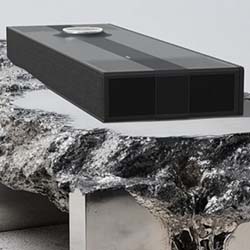





Naim
Naim's story begins with Julian Vereker, a racing car driver, entrepreneur, and self-taught engineer with a genuine passion for music. In the late 1960s, Vereker spent his spare time recording friends playing live, and grew frustrated that his home system simply couldn't do justice to what he'd captured. Rather than accept second best, he decided to design his own amplifiers — deliberately setting aside the conventional wisdom of the day, which held that loudspeakers alone determined a system's sound.
That conviction paid off in 1972, when Vereker won a contract to supply equipment to the newly launched London radio station Capital Radio, and Naim Audio was officially incorporated the following year, based in a shop in the centre of Salisbury with both manufacturing and demonstration space under one roof. The first product, the NAP 200 power amplifier, launched that same year, and Naim went on to build a devoted following around its "source first" philosophy and its signature pursuit of pace, rhythm, and timing — the sense of musical drive and momentum that became the brand's calling card.
Still based in Wiltshire, and now part of the Vervent Audio Group alongside French speaker maker Focal, Naim continues to build amplifiers, streamers, and digital music systems guided by the same conviction that drove Julian Vereker over 50 years ago: that a system should make music genuinely come alive.