

Record Cleaning Machines

 Stock due early October
1 year warranty
0% interest for 4 months
Stock due early October
1 year warranty
0% interest for 4 months
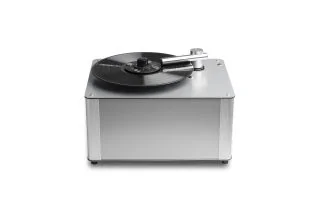
 Stock due early November
2 year warranty
0% interest for 4 months
Stock due early November
2 year warranty
0% interest for 4 months
Why Choose a Record Cleaning Machine?
Even records that look clean to the eye can harbour dust, debris and residue deep within the groove, and this build-up is a major contributor to surface noise and reduced sound quality during playback. Record cleaning machines are designed to remove this embedded contamination far more effectively than a manual brush or cloth, using either fluid application and vacuum extraction, or ultrasonic cavitation to dislodge dirt at a microscopic level.
This deep-cleaning process makes a genuinely significant difference to both new and second-hand records, restoring quieter backgrounds and more accurate detail retrieval, particularly on older or previously unwashed vinyl. Beyond the immediate sound quality improvement, regular use of a cleaning machine also helps protect your stylus from premature wear caused by tracking through dirty, debris-filled grooves.
For anyone with a substantial or growing record collection, particularly one that includes second-hand purchases, a dedicated cleaning machine is one of the most worthwhile investments available for genuinely improving your entire vinyl listening experience.